



 November 18, 2024



Remote Patient Monitoring (RPM) is transforming healthcare beyond the confines of hospital walls. By combining the connectivity of IoT devices with the accessibility of telemedicine, RPM allows healthcare professionals to track patient health remotely, provide timely interventions, and reduce the strain on healthcare facilities. This innovative approach is reshaping how health providers deliver care, offering a more connected and responsive healthcare experience.
RPM is particularly impactful in chronic care, supporting patients with diabetes, heart conditions, asthma, hypertension, or mental illness through continuous monitoring and near real-time data. Clinicians can observe health changes, make timely adjustments, and optimize care outcomes, reducing the need for frequent hospital visits. Beyond chronic conditions, RPM can also track patients recovering from surgery or those requiring acute care, enabling safe and effective care from the comfort of home.
With the global RPM market projected to reach $4.07 billion by 2030, its impact on healthcare delivery is increasingly evident. The University of Pittsburgh Medical Center (UPMC) has reported a 76% reduction in hospital readmissions and patient satisfaction scores exceeding 90% through the use of IoT-based RPM devices. As digital health continues to revolutionize care, integrating telemedicine and IoT with RPM is paving the way toward a smarter, more connected future in medicine.
This article explores what RPM is, how it’s transforming healthcare to benefit patients, providers, and the entire system, and how you can get started to offer RPM services.
The Role of IoT in Remote Patient Monitoring
We live in a world where everyday objects are connected to the internet — think of smartwatches, smart lights, and more. This concept is known as the Internet of Things (IoT). It refers to a network of interconnected devices that communicate and exchange data.
In the healthcare realm, IoT is the backbone of remote patient monitoring. IoT devices such as wearable fitness trackers, medical sensors, and remote monitoring tools can collect and transmit data on vital signs, activity levels, and even medication adherence. By seamlessly integrating into patients’ daily lives, these devices enable real-time health monitoring and offer actionable insights to healthcare providers.
This IoT-driven approach empowers both patients and medical professionals to make informed decisions and take proactive steps to improve health outcomes. By connecting devices into one intelligent network, IoT makes RPM possible, offering accurate, timely insights and moving care beyond clinic walls. It enhances accessibility, efficiency, and personalization in remote health management — transforming the patient care experience.
Unlike older RPM systems that might require manual data entry or patient-initiated reporting, IoT-based RPM eliminates the need for human intervention. The devices communicate automatically, capturing and transmitting health metrics at predetermined intervals or whenever significant changes occur. This automation reduces the burden on patients, minimizes data errors, and ensures that healthcare providers receive accurate, real-time data for effective decision-making.
By creating an interconnected network, IoT ensures a constant, reliable flow of data. This interconnectivity leads to proactive, data-driven care, moving healthcare from reactive responses to anticipatory, patient-centered solutions.
Benefits of Remote Patient Monitoring
The integration of IoT into remote patient monitoring has significantly transformed healthcare delivery by enhancing the quality, accessibility, and efficiency of care.
The following are the key aspects that highlight the benefits of remote healthcare.
RPM Benefits for Patients

Convenience and Comfort
Remote patient monitoring allows patients to receive care from the comfort of their homes, reducing the need for frequent hospital visits and travel time. This is particularly beneficial for those with mobility challenges or living in remote areas.
Early Detection and Preventative Care
Continuous monitoring helps identify health issues before they escalate, allowing for early intervention and reducing the risk of severe complications, especially for chronic conditions.
Enhanced Engagement and Health Awareness
Patients gain insights into their health metrics (e.g., blood pressure, glucose levels) in real-time, making them more engaged and proactive in managing their own health and understanding the impact of their lifestyle choices.
Personalized and Timely Care
With data readily available to healthcare providers, patients receive timely adjustments to their treatment plans based on their unique health trends, leading to more personalized care.
Reduced Hospital Admissions and ER Visits
For chronic disease patients, RPM helps prevent complications that would otherwise lead to hospitalizations, allowing them to maintain their health and stay out of the hospital whenever possible.
Improved Peace of Mind
Knowing their health is monitored continuously by their healthcare provider gives patients reassurance and peace of mind, especially those with high-risk or chronic conditions.
Increased Health Equity and Access
RPM helps patients in underserved or rural areas access care they might otherwise have difficulty obtaining, bridging the gap in healthcare access and supporting health equity.
Benefits of Remote Patient Monitoring for Healthcare Providers
Improved Patient Outcomes
RPM enables early detection of health issues through continuous monitoring. This allows providers to intervene promptly and prevent complications, leading to better health outcomes.
Enhanced Patient Engagement and Compliance
Patients monitored remotely are more likely to follow prescribed health regimens, stay engaged with their treatment plans, and actively manage their conditions. This is because RPM provides real-time feedback, automated personalized reminders and continuous monitoring also creates a sense of accountability.
Cost Savings for Providers
Reducing hospital admissions, emergency room visits, and the length of hospital stays results in cost savings for healthcare providers, especially for chronic disease management.
Data-Driven Insights for Personalized Care
Continuous data collection provides insights into patients’ health trends, enabling providers to tailor treatments based on real-time data and specific patient needs.
Enhanced Patient Satisfaction
RPM offers patients the convenience of receiving care from home, leading to higher satisfaction and better adherence to treatment, as patients feel more comfortable and less disrupted.
Remote Patient Monitoring Benefits for Healthcare Systems
A systematic review published in BMJ Open, analyzed 91 studies and found that 49% reported a reduction in hospital admissions, 49% noted shorter lengths of stay, and 41% observed fewer emergency department visits.
Remote patient monitoring offers several key benefits, including:
Scalable Patient Care
RPM technology enables providers to expand their patient base without compromising quality, as they can monitor multiple patients simultaneously without needing them to be physically present.
Reduced Hospital Readmissions
Continuous monitoring helps identify potential health issues before they escalate, reducing the need for hospital visits or readmissions, particularly for patients with chronic conditions.
Optimized Resource Allocation
RPM allows providers to prioritize in-person care for patients with the most urgent needs while monitoring stable patients remotely, maximizing staff efficiency and reducing the burden on facilities.
Enhanced Chronic Disease Management
For chronic conditions such as diabetes, hypertension, and heart disease, RPM supports long-term disease management by providing consistent monitoring and timely interventions. This reduces complications, hospitalizations, and healthcare costs, improving both patient and system efficiency.
Better Data Integration and Analytics
RPM systems often integrate seamlessly with electronic health records (EHRs) and other digital platforms. This improves data sharing and enables healthcare systems to leverage analytics to track patient progress, identify care gaps, and improve clinical decision-making across the organization..
Read More: Unlocking Success in Remote Patient Monitoring: The Crucial Role of Monitoring Platforms

How Does Remote Patient Monitoring Work?
Remote patient monitoring involves multiple stages to ensure effectiveness, from data collection to creating personalized treatment plans. It starts with using IoT-enabled devices to capture health metrics. The data is securely transmitted to healthcare providers through encrypted channels. This allows medical professionals to access and analyze patient data in real-time.
Here are the key steps and platforms involved:
1. Device Setup and Data Collection
Remote patient monitoring starts with setting the necessary IoT-enabled devices for each patient based on their specific health needs. These devices are responsible for collecting health data and monitoring patient vitals.
A range of devices can be used, these include:

Medical Devices
Devices such as blood pressure monitors, pulse oximeters, and glucometers track vital signs and key health metrics to detect changes in a patient’s condition.

Environmental Sensors
Sensors that monitor air quality, temperature, and humidity, which are particularly useful for patients with respiratory conditions or sensitivities, helping to ensure their environment supports optimal health.

Wearable Devices
Smartwatches, fitness trackers, pulse oximeter rings, continuous glucose monitors etc. can be used to collect data on activity levels, heart rate, sleep patterns, and glucose levels, providing continuous monitoring in real time.

Specialized Devices
These include devices tailored to specific health conditions, such as cardiac monitors for heart conditions, respiratory monitors, smart thermometers, smart scales for weight tracking, connected inhalers for respiratory care, smart pill dispensers to ensure medication adherence, and more.
Each device is set up to capture specific data points and is configured to automatically transmit information without requiring manual input from the patient. Data is collected continuously or at scheduled intervals, depending on the patient’s condition and care plan.
View case study – Home Health Hub
2. Connectivity
Connectivity serves as the lifeline of Remote Patient Monitoring (RPM), enabling seamless communication and data exchange between devices, patients, and healthcare providers. Devices need a reliable internet connection to transmit data while many devices in addition use Bluetooth to connect with smartphones or hubs, which relay data to the cloud or directly to healthcare systems.
Here’s how connectivity enhances the RPM process:

Real-Time Data Transmission
IoT devices continuously collect and transmit patient health data over the internet to healthcare platforms. This ensures real-time monitoring and timely interventions, allowing providers to address potential issues immediately.

Remote Access for Providers
IoT-enabled devices, combined with robust internet connectivity, allow healthcare providers to remotely access detailed and up-to-date patient information. This facilitates virtual consultations, informed decision-making, and efficient care delivery, regardless of geographical barriers.

Cloud-Based Storage
Health data is stored in secure cloud platforms, making it accessible to healthcare providers who can monitor patient information from anywhere.

Interoperability
RPM devices are often integrated with electronic health records (EHRs) and other healthcare platforms, enabling a comprehensive view of patient health and seamless data sharing.
By leveraging the power of IoT and internet connectivity, RPM systems are transforming healthcare delivery, making it more proactive, accessible, and patient-centered.
3. Data Transmission and Platform Integration
Data transmission is pivotal in the seamless operation of Remote Patient Monitoring systems. RPM solutions often use cloud platforms to securely store and manage patient data.
Here’s their key role:

Secure and Real-Time Data Transfer
These platforms facilitate the swift and secure transmission of patient health data from IoT devices to healthcare providers, ensuring timely insights and interventions.

Centralized Data Integration
Integration platforms consolidate data from multiple sources, such as wearables and sensors, into a single interface, giving healthcare providers a comprehensive view of a patient’s health.

Interoperability with EHRs
By integrating with Electronic Health Records (EHRs), these platforms ensure patient data is accessible and actionable across different healthcare systems.

Scalability and Accessibility
Integration platforms are scalable, accommodating growing data volumes, and accessible, ensuring both patients and providers can engage with the data seamlessly.
4. Data Analysis
Devices collect continuous or periodic health data such as heart rate, oxygen saturation, glucose levels, and other vital signs. This information is then transmitted to healthcare systems, where it is analyzed by algorithms or healthcare professionals.
The system may flag abnormal readings or patterns that could indicate health issues. Analytics and data processing are integral to the success of remote patient monitoring by transforming raw health data into actionable insights. Here’s how they contribute:

Real-Time Analysis
Analytics enables immediate processing of patient data collected by IoT devices, allowing healthcare providers to detect abnormalities and intervene promptly.

Predictive Insights
Advanced data processing tools use predictive algorithms to forecast potential health issues, enabling proactive management of chronic conditions and reducing hospital admissions.

Trend Identification
By analyzing patterns and trends in patient health metrics over time, RPM platforms help providers fine-tune treatment plans for improved outcomes.

Personalized Care Plans
Data processing customizes insights to individual patient needs, ensuring treatments are tailored for maximum effectiveness.
5. Mobile Applications for Patients
Mobile apps are a vital part of RPM systems as they connect patients with their health data, facilitate communication with healthcare providers, and enhance patient engagement. They connect to the IoT enabled medical devices allowing for data collection and transfer.
Mobile apps often serve as the interface between patients and their RPM devices. Patients can use apps to view their health data, such as blood pressure readings, glucose levels, or physical activity metrics, in real-time. This accessibility empowers patients to track their health and make informed decisions.
Many RPM devices connect to mobile apps to transmit collected data to healthcare systems. The apps ensure secure data transfer to cloud storage or healthcare platforms, facilitating seamless data sharing and analysis by healthcare providers.
Mobile apps provide notifications and alerts to patients, reminding them to take medications, measure their vitals, or follow prescribed health regimens. They also often include secure communication channels such as chat, video calls, or messaging features, that allow patients to connect directly with their healthcare providers.
While most remote patient monitoring services will have their secure, custom mobile applications, some commercial apps like Fitbit and MyChart by Epic Systems allow patients to share health data, including vitals and lab results, directly with their healthcare providers.
6. Web Apps for Healthcare Provider Access and Monitoring Tools
Web platforms offer healthcare providers dashboards to access, analyze, and act on patient data collected from IoT enabled medical devices.
These apps offer real-time data visualization, alerts for critical health changes, and tools for prioritizing patient care based on risk levels. Integration with Electronic Health Records (EHRs) ensures seamless data sharing and a holistic view of patient health, while customizable monitoring protocols enable personalized care. Web apps also facilitate secure communication between providers and patients, enhance collaboration among care teams, and support clinical documentation and reporting.
By streamlining remote monitoring processes, web apps empower providers to deliver efficient, data-driven, and personalized care.
7. Telemedicine Platforms
Telemedicine platforms work well in conjunction with the remote health devices and health apps. Telemedicine plays a complementary role in remote patient monitoring, bridging the gap between continuous patient data collection and real-time healthcare intervention. By enabling virtual communication between patients and healthcare providers, telemedicine ensures that RPM data is quickly transformed into actionable care and tailored treatment plans.
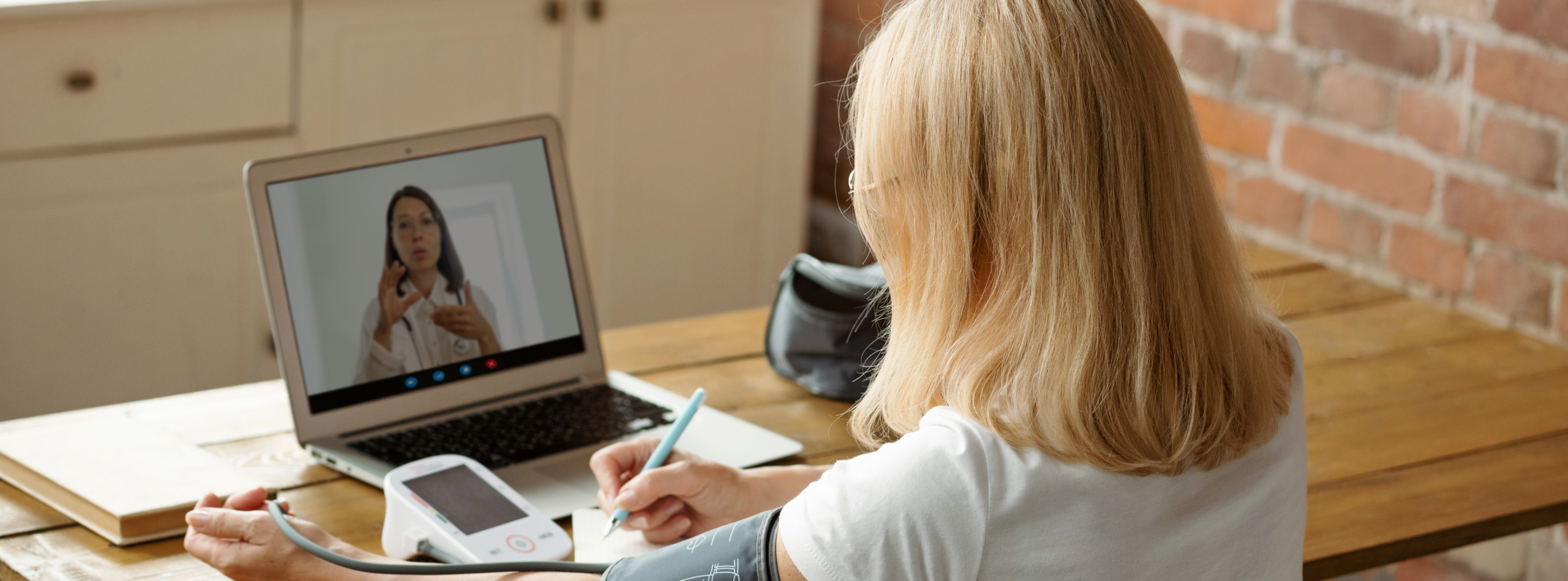
Telemedicine enhances the RPM experience by connecting patients with healthcare providers through video calls, so they don’t have to make personal visits. These platforms allow doctors to review symptoms and recommend personalized treatments using the information and data from health monitoring devices the patient provides.
Telemedicine platforms often connect with EHRs, giving healthcare providers access to a patient’s complete medical history during virtual checkups. This setup ensures a smooth user experience and facilitates the healthcare provider to check past treatments, test results, and effectiveness of prescribed medications, which leads to more informed decisions.
Overall, telemedicine brings a “human touch” to RPM by facilitating personalized, responsive, and efficient care delivery, ensuring that patients feel supported and engaged in their health journey.
8. Security and Compliance Measures
Data security and privacy are critical in Remote Patient Monitoring (RPM) systems to safeguard sensitive patient information. Compliance with regulations like HIPAA, GDPR, and other global standards ensures that health data is handled responsibly and securely. Robust data encryption and privacy controls protect information during transmission and storage, preventing unauthorized access or breaches.
Additionally, secure user authentication mechanisms, such as strong login protocols, role-based permissions, and multi-factor authentication, ensure that only authorized personnel can access patient data.
9. Support and Training for Patients
Patients and caregivers need proper guidance to use RPM devices and apps effectively, making technical support essential. Additionally, patient education is important, covering how to operate devices, troubleshoot common issues, and interpret health metrics accurately.
Real-World Success Stories of Remote Patient Monitoring
Remote Patient Monitoring (RPM) is transforming healthcare delivery worldwide, with numerous success stories demonstrating its potential to improve patient outcomes, reduce hospitalizations, and enhance care efficiency.
Here are some real-world examples that showcase the transformative power of RPM in action:
Kaiser Permanente’s Telehealth and Remote Monitoring Program (USA)
Kaiser Permanente integrates remote monitoring with telehealth services, allowing patients to manage chronic conditions like diabetes and hypertension. Patients use connected devices to record health data, which is reviewed by healthcare teams. The program has shown improvements in patient outcomes, such as better blood pressure control and lower hospital admission rates.
GRTHealth: A Successful Example of Remote Patient Monitoring (CA)
GRTHealth, in partnership with Troon Technologies, developed an innovative remote patient monitoring system. This system is currently supporting over 25,000 people with remote health solutions across Canada—and this number continues to grow.
Troon contributed to building the platform, integrating hands-on and virtual care with 24/7 medical and nonmedical monitoring. The platform requires seamless integration of multiple sensory devices, each with unique specifications, and needs to deliver real-time monitoring, alerts, and detailed reporting. To handle the growing number of users, the system is designed for scalable hosting, ensuring accuracy and performance under high demand. Caregivers can configure alerts based on specific criteria, improving patient management and responsiveness. Troon Technologies’ component-based development approach ensures modularity, enabling reuse and efficient updates.
NHS Remote Patient Monitoring (UK)
The National Health Service (NHS) has designed and implemented remote patient monitoring for patients who have been suffering from long-term health conditions like COPD and heart failure. By utilizing wearable devices and mobile apps, patients can easily track vital signs like oxygen levels and heart rate. The facility has led to reduced emergency visits, and better illness management.
Philips eCareCoordinator and eCareCompanion (Global)
Philips provides a robust remote monitoring solution with its eCareCoordinator and eCareCompanion platforms. These platforms allow patients with chronic illnesses to share their health data with care teams, ensuring timely medical responses. Hospitals utilizing this system have noted improved patient involvement, fewer readmissions, and reduced healthcare expenses.
Partner with Troon to Build Custom Remote Patient Monitoring Software Solutions Tailored to Your Unique Needs.
Contact us today to begin your journey.
Challenges and Limitations of Remote Patient Monitoring
Every major innovation brings its own set of challenges, but when managed effectively, these can be overcome. Here’s what makes the widespread adoption of remote patient monitoring challenging:
1. Data Privacy and Security Concerns
Safeguarding the collection and transmission of sensitive health data is a significant challenge. Remote patient monitoring systems bear the critical responsibility of shielding patient information from breaches and unauthorized access. Achieving this demands strong encryption, secure data storage, and strict adherence to privacy regulations such as HIPAA and PHIPA often making the process both costly and time-consuming.
Solution: Reliable technology companies like Troon Technologies follow strict security protocols and compliance standards for all healthcare solutions. This ensures robust encryption, secure storage, and protected access to sensitive health information.
2. Technology Accessibility and Digital Divide
Patients coming from a low income background, or are aged or/and residing in rural areas may not be as tech savvy and sometimes may not have access to stable internet. This digital divide can hinder the effectiveness of remote patient monitoring.
Solution: Remote patient monitoring providers are addressing the digital divide by supplying pre-configured devices, offering multilingual apps for diverse populations, and leveraging satellite internet solutions like Starlink to ensure reliable connectivity in remote areas. They also provide simplified interfaces and remote training to support non-tech-savvy patients.
3. Regulatory and Compliance Hurdles
Incorporating remote patient monitoring into standard healthcare practices presents significant regulatory hurdles. Both medical devices and software need to meet rigorous legal standards to guarantee their safety. The process of familiarizing and then complying with these complex regulatory requirements can be time-consuming and potentially delay the widespread adoption of these innovations.
Solution: Partnering with reliable development experts who have a proven track record in healthcare projects is essential. With over 14 years of experience in healthcare applications, Troon brings deep expertise in delivering high-quality, compliant, and secure solutions on time and within budget.
4. Accuracy and Reliability of Remote Diagnostics
Ensuring the accuracy and reliability of data collected by remote monitoring devices is crucial for effective healthcare delivery. Inaccurate readings or device malfunctions can lead to misdiagnosis or inappropriate treatment.
Solution: Implementing platforms with advanced analytical tools can help process and interpret real-time data, ensuring accurate and valuable insights into patient health trends. Such solutions enable healthcare providers to make well-informed decisions and maintain high standards of patient care.
The Future of Remote Patient Monitoring: Emerging Role of AI in Healthcare
In recent years, technology has revolutionized healthcare, transforming patient treatment, diagnosis, and delivery. The rise of Artificial Intelligence (AI) and Internet of Things (IoT) devices has driven a shift toward personalized and proactive care.
With the help of AI, healthcare providers are able to identify trends and patterns in their patient’s health data that might have gone unnoticed otherwise. This detection allows for a proactive approach and timely intervention before the worsening of a health condition. Predictive algorithms are also very effective at anticipating health complications, reducing the dependence on frequent visits to the hospital. Analyzing health metrics, personalized patient care has also been made possible. Moreover, patients now have the facility to reach out to AI-driven chatbots and virtual assistants for 24-7 support. AI significantly improves outcomes in remote patient monitoring.
Read More: Digital Remedies: Real-World Applications For A Healthier Future With AI and IoT
Harnessing the Full Potential of IoT Based Remote Patient Monitoring
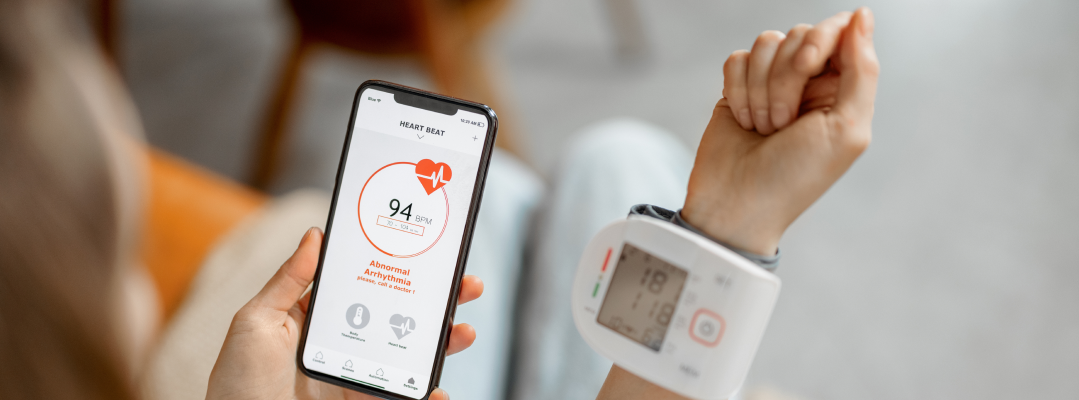
IoT-enabled remote patient monitoring is revolutionizing healthcare by leveraging wearable devices and real-time data connectivity to deliver smarter, more personalized care. These devices continuously collect and transmit health data, enabling healthcare providers to monitor patients remotely, detect issues early, and provide timely interventions. By reducing hospital visits, preventing readmissions, and optimizing resource allocation, IoT-powered monitoring improves health outcomes, lowers costs, and alleviates the burden on healthcare systems, creating a more efficient and connected future for modern medicine.
Explore Tailored Remote Patient Monitoring Solutions
Take the next step toward smarter, more connected healthcare.