




 July 29, 2024



Hiring a full-time Chief Technology Officer (CTO) can be a hefty investment, especially for startups and growing businesses. Yet, in the ever-shifting sands of technology, staying ahead of the curve is crucial for business success. Remember how only a few years ago, ‘blockchain technology’ was just a futuristic buzzword? Now, Web3 is taking the world by storm. Navigating these rapid changes requires strategic guidance and high-level technical expertise.
Fractional CTO services offer a flexible, cost-effective solution, allowing businesses to hire top-tier tech talent on a contractual basis. Imagine having access to a seasoned tech expert, someone who can navigate the ever-changing tech landscape and guide your company’s growth strategy – all without the full-time cost commitment. Fractional CTOs offer exactly that: on-demand leadership that scales with your needs and budget.
Let’s dig in to the details.
Empower your business with the strategic advantage of a Fractional CTO today.
What is a Fractional CTO?
Keeping your company’s tech stack innovative and adaptable requires a skilled leader at the helm. While a full-time CTO is a permanent member of the executive team, a fractional CTO is hired to fill specific needs or gaps within an organization, offering their expertise without the price tag of a full-time hire.
A fractional Chief Technology Officer brings a wealth of experience and strategic thinking to your business, helping you navigate the complex world of technology. They provide technical leadership on a part-time or project-specific basis. Depending on the engagement terms, a fractional CTO typically offers high-level expertise without being involved in the day-to-day operations of your tech team.
Key Responsibilities of a Fractional CTO
A Fractional CTO can:

Develop a Long-Term Technology Roadmap
Creating a strategic plan to guide your business’s technological growth and innovation.
Evaluate and Implement New Technologies
Identifying and integrating cutting-edge technologies like Web3 to provide a competitive edge.
Oversee Technical Projects
Ensuring successful execution of critical technical projects, from planning to deployment.
Provide Guidance on Technology Investments and Budgeting
Offering expert advice on tech investments and budgeting to maximize ROI and align with business objectives.
Mentor and Guide In-House Tech Teams
Fostering a culture of innovation by providing mentorship and guidance to your internal tech team.
Act as a Liaison
Serving as a link between technical and non-technical stakeholders to ensure clear communication and alignment of goals.
Other terms used to describe Fractional CTOs include Virtual CTO, CTO as a Service (CaaS), CTO on Demand or CTO for Hire. The model offers flexibility and scalability, enabling businesses to navigate the rapidly changing tech landscape with confidence.
Fractional CTO Services vs. Full-Time CTO vs. Interim CTO
To further understand the role of a fractional CTO, let’s look at how the role compares to full-time and interim CTOs.

Full-Time CTO
A full-time CTO is a permanent, in-house member of the executive team, deeply embedded within the organization and responsible for overseeing all aspects of technological strategy and implementation.
Advantages:
Rooted in the company culture, long-term vision, and full ownership of tech decisions.
Considerations:
Involves a significant investment in salary, benefits, and long-term incentives.
Who is it for?
- Large enterprises with complex, ongoing technological needs.
- Organizations requiring continuous, hands-on leadership and daily management.
- Companies with significant budgets for full-time executive roles.

Fractional CTO
A part-time, contracted executive providing strategic tech guidance and leadership.
Advantages:
Working with various companies, fractional CTOs gain exposure to diverse challenges and solutions which helps bring fresh ideas to the table. They are cost effective, flexible, available as needed and focus on the long-term strategy.
Considerations:
Less involved in daily activities.
Who is it for?
- Startups and small to medium-sized businesses needing expert guidance and a technology roadmap without a full-time commitment.
- Companies undergoing specific projects or facing temporary technical challenges.
- Organizations looking to innovate and implement new technologies without long-term contracts.

Interim CTO
A temporary executive hired to fill a gap in leadership, often during transitions or specific projects. A fractional CTO can also be hired as an interim CTO.
Advantages:
Quick access to tech leadership to address urgent challenges during a transition. They are flexible, offering short-term, focused engagement making them ideal for navigating change and managing critical projects.
Considerations:
Short term focus, often providing a temporary fix to immediate problems.
Who is it for?
- Companies in transition, such as during a leadership change or major restructuring.
- Organizations facing urgent technical challenges.
Choosing the right type of CTO depends on your business’s current needs, budget, and long-term goals. Whether you need the flexibility of a fractional CTO, the stability of a Full-Time CTO, or the temporary expertise of an Interim CTO, each role offers unique benefits to help steer your technology vision with confidence.
6 Reasons You Need a Fractional CTO
Choosing to outsource a CTO can be daunting. The fractional CTO role is more than just a temporary fill-in; they are a strategic partner driving innovation and growth. By offering flexible, expert leadership, fractional CTOs can elevate your business’s tech capabilities.
The demand for Fractional CTOs is fueled by several factors. Here are 6 key benefits of hiring a Fractional CTO:

Cost Effective
Expertise
One of the most compelling reasons to hire a fractional CTO is cost-efficiency.
Unlike a full-time executive, who requires a substantial salary, benefits package, and overhead costs, a fractional CTO offers a fraction of the expense. You pay only for the specific services you need, without the burden of long-term financial commitments.
Key cost savings include elimination of salary, benefits and overhead and paying only for the services utilized. This allows you to focus budget on core business functions.

Strategic Expertise and Objective Assessment
Fractional CTOs bring a broad range of experience from working across different industries and projects. This diverse background allows them to offer innovative solutions and best practices that may not be apparent to internal teams. They provide high-level strategic thinking, helping you develop a long-term technology roadmap that supports your business objectives.
Additionally, their objective perspective is invaluable for assessing team performance, evaluating the current tech stack, and identifying the best path forward to reduce technical debt. They also help build comprehensive executive proposals, ROIs, and roadmaps, ensuring all necessary strategic elements are in place.

Deep Industry
Expertise
By now, it’s obvious that a fractional CTO has high-level technical expertise. However, what can set them apart is their specialized expertise in specific technologies or industries. For example, a fractional CTO might have deep knowledge in areas such as Web3, healthcare tech, or fintech. This specialization allows them to provide targeted, cutting-edge solutions tailored to your business’s unique needs, giving you a competitive advantage in your specific market.

Flexibility and
Scalability
Modern business models are inherently dynamic, often requiring flexible solutions to meet changing demands. Fractional CTOs help build the tech strategy while being flexible. For a business experiencing fluctuation needs, a fractional CTO can easily scale their involvement, up or down, to match your needs.
By choosing fractional CTO consulting services, companies gain the freedom to adapt to changing circumstances, seize new opportunities, and optimize resource allocation.

Speed to Impact
Fractional CTOs are focused on hitting the ground running, saving time on lengthy onboarding processes, building relationships, and acclimating to company culture. They dive straight into their assignments and translate them into actionable strategies to get things moving quickly.
Their experience and industry knowledge allows for an expedited decision-making process, accelerating time-to-market for new products, features, or services. This speed advantage can be crucial in highly competitive markets where time-to-market is a key differentiator.

Extensive Professional Networks
Fractional CTOs typically possess extensive professional networks cultivated over years of industry experience. This network is a valuable asset for businesses seeking top-tier tech talent. When staffing challenges arise, a fractional CTO can leverage their connections to identify and recruit highly qualified professionals, saving time and resources.
By tapping into this extended talent pool, businesses can access specialized skills and expertise that may be difficult to find through traditional recruitment channels. This accelerated hiring process can significantly impact project timelines and overall business performance.
How Much Does a Fractional CTO Cost?

The cost of a fractional CTO depends on several factors: Their experience and expertise, the specific industry, scope of work, duration of engagement, and also location.
Pricing models for a CTO services include hourly rates, monthly retainers, project-based fees, and sometimes also equity compensation.
Typical hourly rates for a fractional CTO range from $150 to $500. Troon Technologies offers incremental pricing, starting at $250 per hour for a one-hour engagement, with rates decreasing as more hours are added. For engagements of 50 hours or more, the rate drops to $150 per hour.
If an hourly model doesn’t suit your needs, a predictable monthly fee for ongoing support is another option. Depending on the project’s scope and engagement level, this can range from $3,000 to $15,000+ per month.
For projects with defined deliverables and timelines, a flat fee can be agreed upon for the entirety of the project. For complex and long-term projects, this may require a detailed guide, such as a Product Requirements Document (PRD), with the fee potentially split upon reaching milestones.
At times, for startups equity compensation can be a part of the deal. A 50/50 split between salary and equity is a common arrangement for fractional CTOs.
With thorough discussions, you can find the best pricing model that works for your business. It’s important to note that fractional CTOs often command premium rates compared to full-time employees due to their specialized expertise and the immense value they provide through flexible engagement models
How to Hire a Fractional CTO
A fractional CTO can be the solution to your tech challenges. Begin by conducting thorough background work: identify your specific challenges, determine the scope of work, and set a budget. This will provide a clear framework for the engagement.
Leverage your professional networks and explore tech platforms to find potential candidates. Companies like Troon Technologies bring years of technological expertise and seasoned tech experts at the C-suite level across various industries, including AI, Web3, healthcare, custom web development, fintech, and more.
When evaluating candidates, focus on their industry experience, approach, and abilities. Look for a demonstrated record of successful IT management across a variety of projects. Speaking to previous clients can give you valuable insights into their capabilities and fit. In addition to their technical expertise, evaluate their strategic vision, industry knowledge, project management skills, and business acumen.
Effective communication and trust-building are essential for a successful partnership. Remember, a fractional CTO is an investment in your business’s future. By selecting the right candidate, you can unlock new opportunities and drive growth.
Client Success Stories
At Troon Technologies, we provide not only high-level tech consultancy and expertise but also hands-on implementation where required. Here are some of our client success stories:
GRTHealth
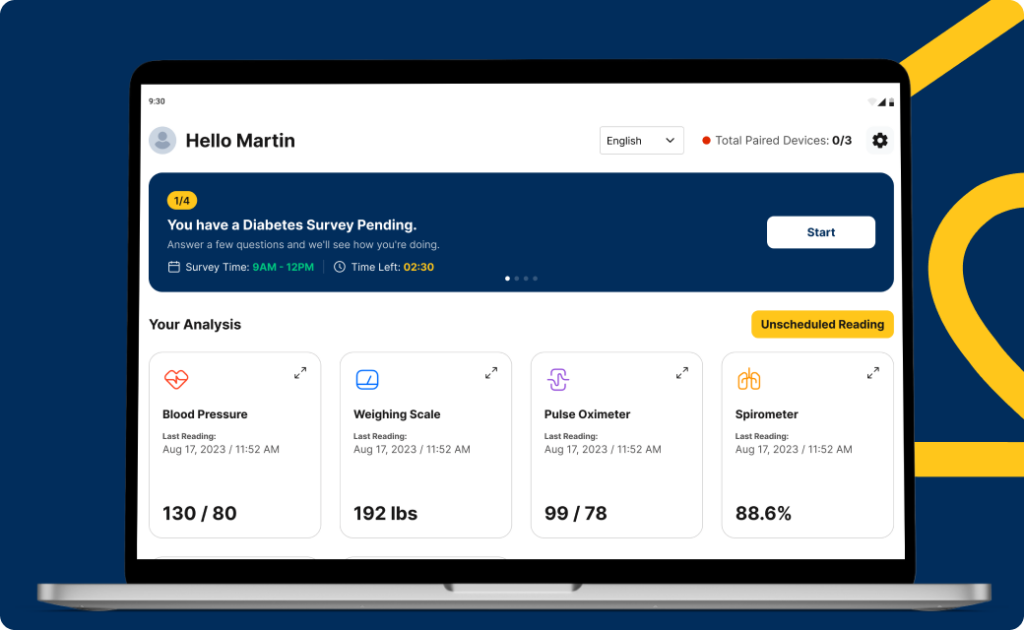
GRTHealth™ envisions a world in which remote health care is effortless and intuitive. They hired Troon’s CTO services to develop a cutting-edge platform for remote patient monitoring and care delivery.
Faced with the challenges of providing comprehensive care outside of traditional healthcare settings, GRTHealth sought a technology solution that could enable real-time monitoring, seamless communication, and scalable operations.

Cryptoslam
CryptoSlam, a leading NFT data analyst, partnered with Troon Technologies to become a dominant force in the burgeoning Web3 ecosystem.
CryptoSlam faced the challenge of navigating a rapidly evolving landscape. To unlock its full potential, CryptoSlam needed a fractional CTO with expertise in blockchain technology and business development.
dRisk
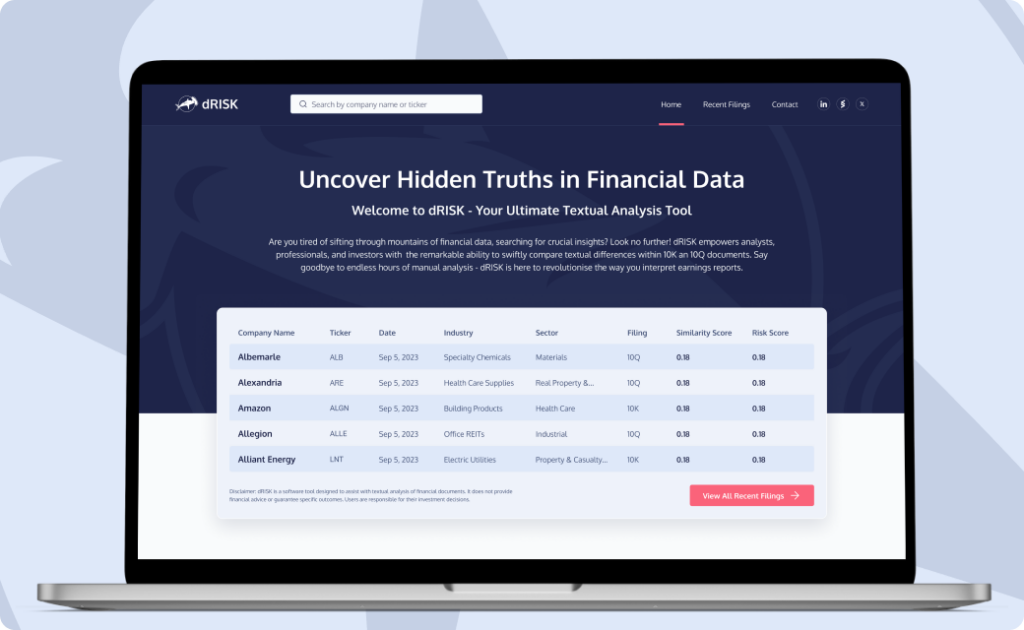
dRisk transformed the way investors analyze stock performance by leveraging AI and machine learning. Through our partnership, we developed a cutting-edge platform that streamlined data analysis, generated actionable insights, and created a unique product offering – Flash Reports. This collaboration showcases the power of our fractional CTO services in driving innovation and market disruption.
Icon Exchange
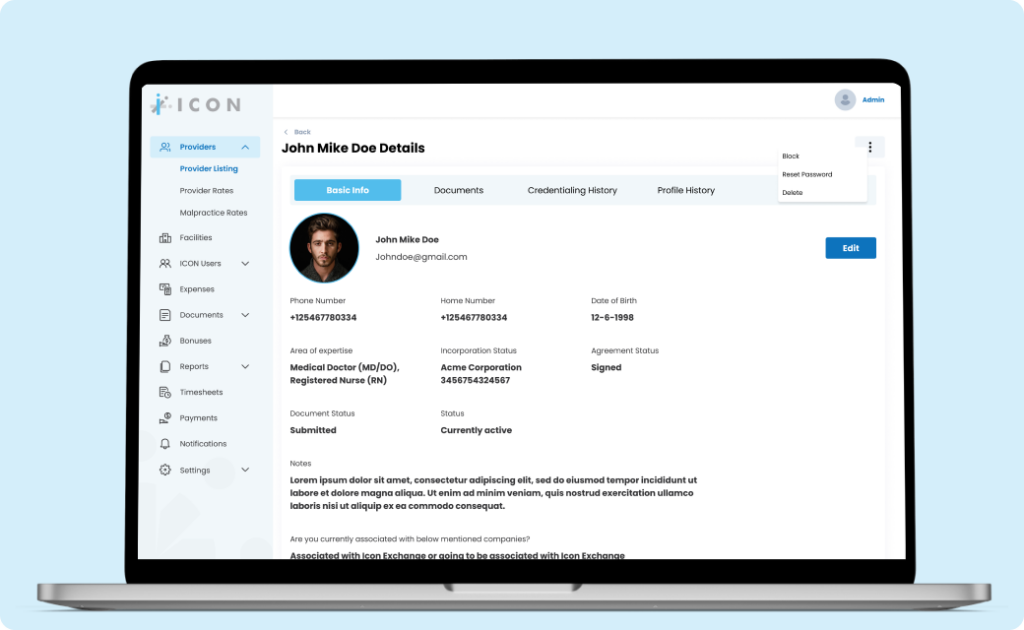
Faced with the complexities of managing a nationwide healthcare staffing business, Icon Exchange sought to streamline operations, add automation, improve data management, and enhance overall efficiency. By utilizing Troon’s fractional CTO services, they successfully implemented a custom-built solution that addressed these challenges.
The Future of Tech Leadership
The fractional CTO model is reshaping the landscape of technology leadership. By offering flexible, expert guidance, fractional CTO services empower businesses of all sizes to achieve their technological goals without the burden of full-time employment.
As the business world continues to evolve at an accelerated pace, the demand for adaptable and cost-effective tech solutions will only increase. The fractional CTO is poised to become an indispensable asset for organizations seeking to thrive in the digital age.