



 June 26, 2025


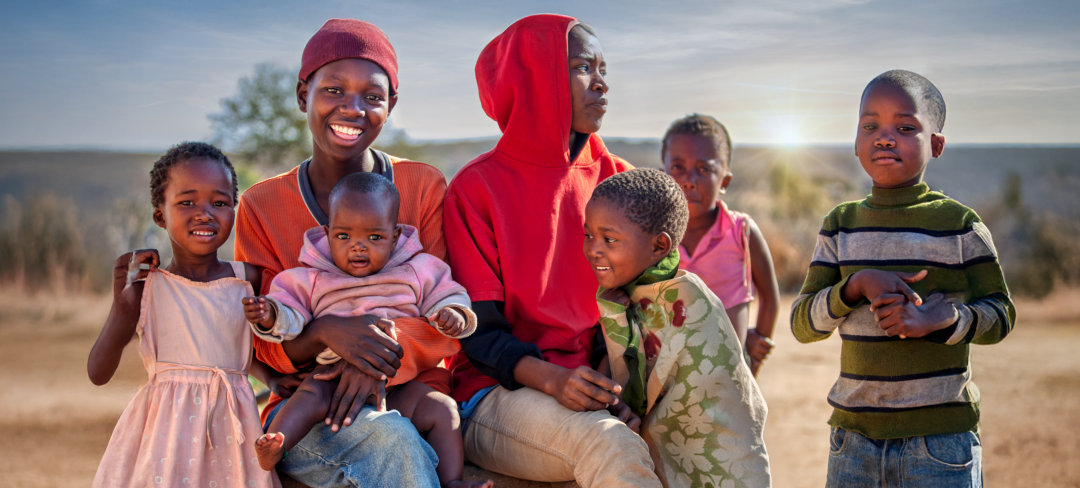
In crisis zones around the world, aid often arrives too late, or not at all.
Humanitarian organizations face a range of obstacles: opaque intermediaries, unstable currencies, high transfer fees, and tangled logistics which alone can consume 60% to 80% of total aid. These outdated systems routinely cause delays, turning well-meaning support into logistical nightmares.
It’s a deeply frustrating paradox. In a world more connected than ever, help still gets stuck.
But blockchain technology is changing the game.
At Troon Technologies, we explore how emerging tech can reshape real-world challenges and power meaningful change. One of the most compelling uses of blockchain today is its ability to deliver life-saving aid faster, cheaper, and more transparently.
Leading the charge is Stellar, a blockchain network built to move money, anywhere in the world, instantly. No middlemen, no red tape and no time lost when every second counts. Stellar’s humanitarian efforts caught our eye because it’s a proven platform actively delivering impact where it’s needed most.
The Problem: When Aid Hits a Wall
Whether it’s funds for food, disaster relief, or healthcare, international aid relies on moving money across borders, from donors to NGOs to individuals. But the current system is riddled with inefficiencies:
- High fees: Each transfer often involves multiple banks, each taking a cut.
- Slow delivery: Traditional remittances can take days or weeks to clear.
- Lack of transparency: Donors and NGOs struggle to trace how funds are used.
- Volatile local currencies: Aid loses value in regions plagued by inflation.
In high-stakes environments, these aren’t just annoyances, they’re roadblocks to survival.
How Blockchain Technology Unblocks the Flow
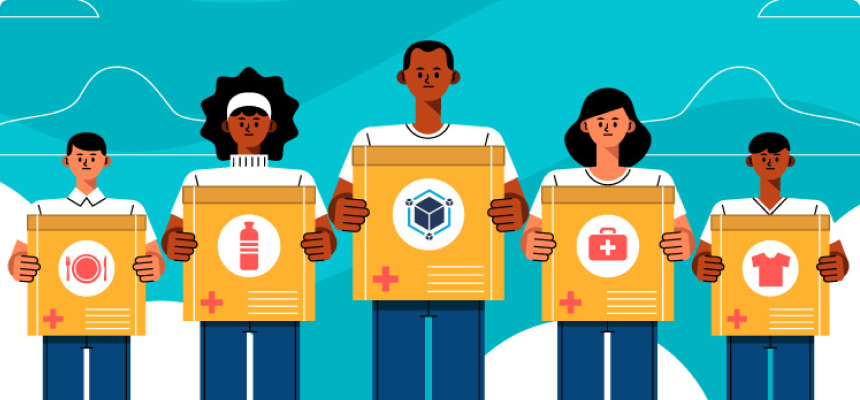
Imagine needing to send urgent funds across the world. You want them to arrive instantly, safely, and without losing value. But, banks are slow, fees stack up, and unstable currencies can erode what arrives.
Blockchain removes those barriers. It enables direct, low-cost transfers that settle in seconds, without relying on banks or intermediaries. That’s why it’s becoming a powerful tool in crisis response. Below, we break down how it works and why it matters.
Blockchain is a decentralized ledger technology: think of it as a global, tamper-proof spreadsheet that no single institution controls. This structure removes intermediaries and builds transparency directly into the infrastructure.
But how does this help aid?
- Direct Transfers: Money moves peer-to-peer, cutting out middlemen.
- Stablecoins: Digital currencies pegged to real-world values (like USD or EUR) protect recipients from local currency swings.
- Smart contracts: Funds can be programmed to release only under specific conditions.
- Volatile local currencies: Every transaction is auditable and permanent.
NGOs and aid partners require accountability and regulatory compliance built into their systems. Blockchain platforms like Stellar support this need by enabling traceable transactions, auditable ledgers, and integration with reporting and KYC frameworks tailored for humanitarian use.
And this isn’t just in theory, it’s already being used by global organizations like UNHCR, the International Rescue Committee, and the World Food Programme in real-world crisis zones.
Real-World Impact: Stellar in Action
Stellar is the only blockchain platform actively delivering humanitarian aid at scale, with live deployments in partnership with NGOs and financial institutions around the world. It offers out-of-the-box infrastructure, like the Stellar Disbursement Platform and Aid Assist, specifically designed to help NGOs move funds quickly, transparently, and without banks.
Through Stellar Aid Assist, organizations have distributed millions in humanitarian funds, including to recipients in Ukraine and other conflict zones.
Take the World Food Programme (WFP). Instead of relying on slow wire transfers or physical cash, WFP used Stellar to send digital vouchers redeemable at local stores. All a recipient needed was a smartphone and a wallet app, no bank account required.
Or consider MoneyGram and Circle, who now enable people to receive USDC (a dollar-backed stablecoin) via Stellar and instantly cash it out in over 180 countries. That means rural farmers, urban refugees, and displaced families can access money with a few taps, compared to weeks of paperwork.
This kind of efficiency reveals the real potential of scalable, open-source infrastructure. Stellar’s backbone can be the foundation for custom-built platforms that make aid delivery faster, smarter, and more human-centered.
Explore blockchain development solutions
Toward a Smarter Aid Economy
Blockchain equips humanitarian organizations with better tools. By building systems where:
- Funds don’t leak through bureaucracy,
- Value doesn’t erode through volatility, and
- Impact isn’t lost in complexity,
We create a smarter, faster, more dignified aid economy.
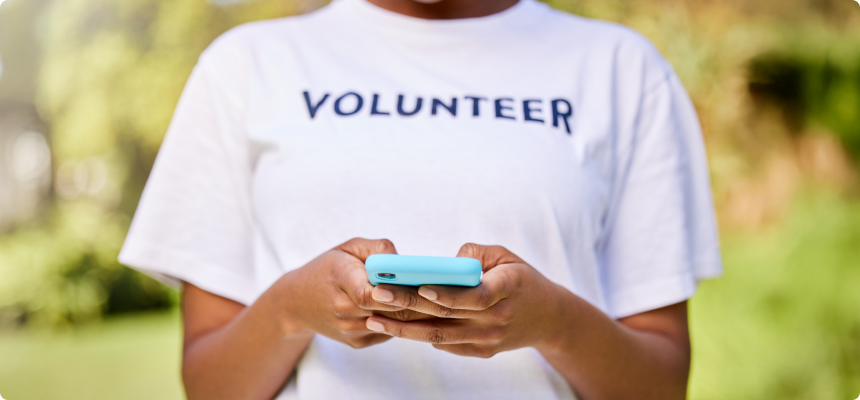
Imagine if a family fleeing a natural disaster could receive emergency funds directly to their phone or if a charity could report every dollar delivered, instantly and transparently to its donors. That’s the promise this technology holds.
Even in remote or politically unstable areas, access is possible. With mobile-first tools, aid recipients don’t need bank branches, just a device and a wallet app. Blockchain adapts to their realities instead of asking them to adapt to ours.
Stablecoins, Stable Lives
In regions where hyperinflation is common, a local currency can lose value before aid is even spent. That’s where stablecoins like USDC make a difference.
This stability isn’t just helpful, it’s life-saving.
And the benefits go beyond the currency. Custom wallets, multilingual UX, built-in education, and smart fund-tracking can all be layered on top of these blockchain rails. Troon can help NGOs build tailored tools that maximize trust and usability even for low-tech environments.
Troon’s Take: Purpose-Driven Tech
One of the most powerful use of software is to solve human problems. Whether we’re building platforms for research, wellness, or financial access, we see blockchain as infrastructure for a fairer, more responsive, inclusive world.
By pairing blockchain’s potential with thoughtful design, we create solutions that scale. From secure dashboards to mobile-first platforms, multilingual apps, and real-time analytics.
As humanitarian organizations embrace decentralization and stablecoins, we see a growing opportunity: to not just deliver aid more effectively, but to restore trust in the systems that deliver it.
Because when help moves faster, lives change sooner.
Explore What Blockchain Can Do
Whether you’re building for humanitarian aid, cross-border payments, transparent fund flows, or fintech innovation, we can help you turn blockchain into a practical solution.