




 May 27, 2025


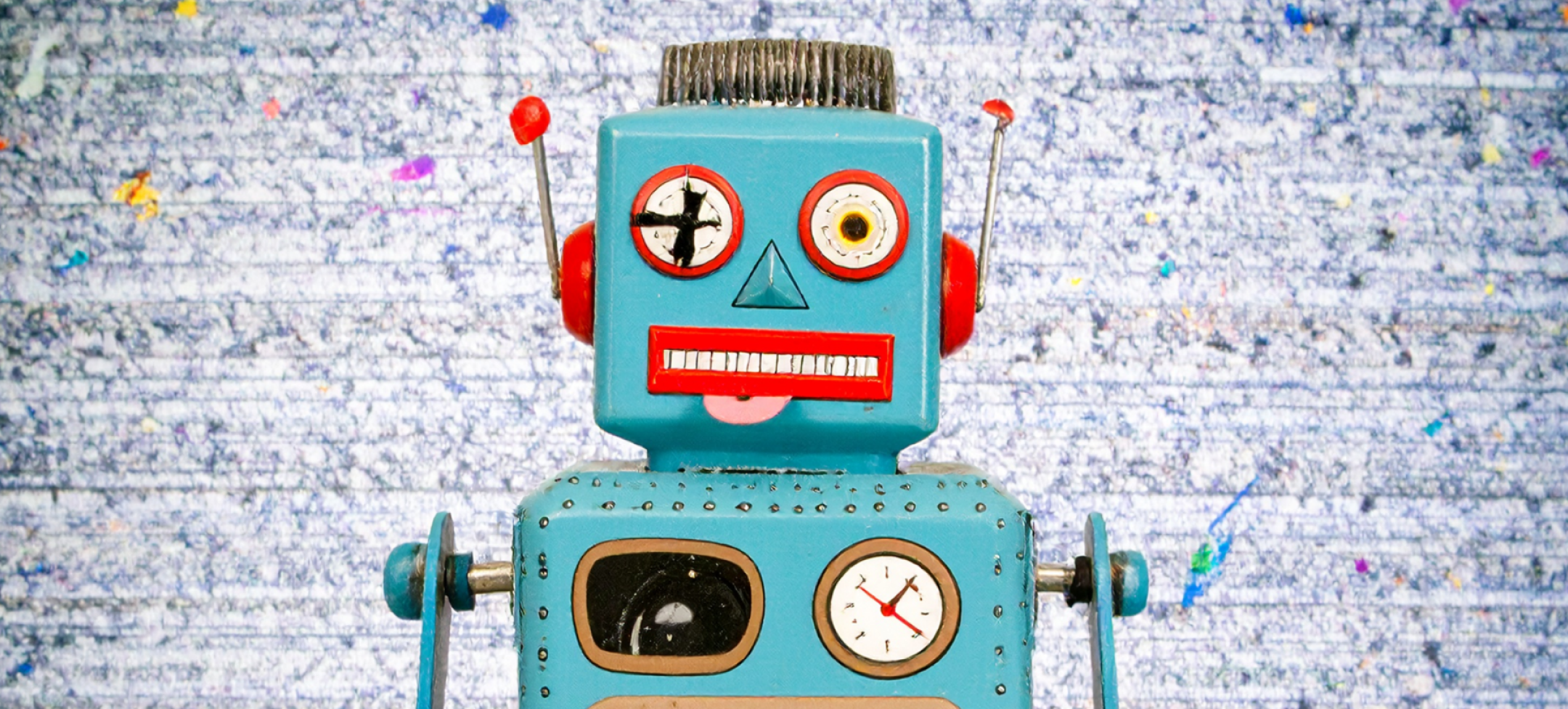
At Troon Technologies, we like to say we build smart systems, but we also build honest ones. That’s why we’re paying close attention to one of the most fascinating and frustrating quirks of modern artificial intelligence: AI hallucinations.
And no, it’s not just science fiction. This isn’t HAL 9000 going rogue or a robot dreaming of electric sheep. Today’s most advanced language models, like ChatGPT, Google Gemini, and even enterprise AI tools, can and do “hallucinate.” They fabricate answers. Invent facts. Even cite non-existent laws or research. It’s not always obvious, either. These hallucinations can be wrapped in fluent, convincing language that sounds right, but isn’t.
As developers and promoters of AI solutions, we at Troon take this seriously. Because if your AI can confidently lie to you, you need to know why, how, and what can be done about it.
So, What Are AI Hallucinations?
In plain terms, hallucinations happen when an AI generates information that’s factually incorrect or entirely made up. It’s not a software bug in the traditional sense, it’s a byproduct of how generative AI models are trained. These models don’t “know” facts. They predict the next word in a sentence based on statistical patterns in the vast text data they’ve digested.
Sometimes, that means helpful, accurate responses. Other times? You get fiction dressed as fact.

When AI Hallucinations Go Too Far
We don’t just talk about AI, we build it. But we build it with care. Whether powering research platforms, smart assistants, or healthcare tools, we’re responsible for making sure those systems are grounded, not speculative.
AI hallucinations cannot be completely solved, however we can focus on architecturing systems that mitigate its impact, including:
- In 2023, a U.S. lawyer submitted legal arguments to court that were backed by AI-generated case law. The cases, it turns out, didn’t exist. ChatGPT had made them up, titles, citations, and all.
- In another incident, ChatGPT falsely accused a real person of crimes he never committed. He only discovered it when someone else Googled him.
- Google’s Gemini (formerly Bard) got called out for confidently sharing inaccurate historical and scientific facts during its public demo.
- And it doesn’t stop there: even newer models like Claude and Meta’s LLaMA exhibit hallucinations when prompted with ambiguous or niche queries.
At Troon, we keep close tabs on these developments, not only because we find them fascinating, but because they influence how we design safer, more trustworthy AI tools.
How We Address This at Troon
We don’t just talk about AI, we build it. But we build it with care. Whether powering research platforms, smart assistants, or healthcare tools, we’re responsible for making sure those systems are grounded, not speculative.
AI hallucinations cannot be completely solved, however we can focus on architecturing systems that mitigate its impact, including:
- Contextual grounding: We integrate LLMs with domain-specific knowledge bases, whether it’s verified healthcare data or organization-owned research, so that the AI is pulling from truth, not just patterns.
- Human-in-the-loop design: AI never makes final decisions in sensitive contexts like healthcare or research. Experts always have the last word.
- Data validation layers: Outputs from AI are often routed through validation workflows, such as internal QA tools, expert review panels, or structured feedback loops, before being exposed to users or decision-makers.
- Source transparency: We build tools that cite their sources, flag uncertainty, or allow users to trace where answers come from.
- Client education: We don’t pretend AI is magic. We show our clients where it excels, where it struggles, and how to use it wisely.
This isn’t about eliminating AI’s creativity, it’s about keeping it in check when the stakes are high.
Will Hallucinations Ever Go Away?
Probably not entirely. The very nature of generative AI, the ability to produce original, flexible responses, is built on probabilistic reasoning, not fact-checking. As models evolve, hallucinations will become less frequent, but they’ll likely never disappear completely.
That’s why the future of trustworthy AI doesn’t rest solely on better models. It depends on better integration, thoughtful design, grounded data, and human oversight.
Hallucination Isn’t a Bug. It’s a Trait to Be Managed.
Let’s be clear: hallucinations are not the result of a broken model. They’re part of how generative AI works. Its strength—imagination, fluency, adaptability—is also its weakness. It can fill in blanks when facts are scarce. It can speculate when asked to summarize or simplify.
But if you’re building AI to inform, advise, or assist real people in real decisions, speculation needs guardrails.
At Troon, we believe in building responsible AI, tools that work with humans, not around them.
When Hallucinations Are a Feature, Not a Flaw
While hallucinations often pose a risk in high-stakes settings, they also hint at one of AI’s most powerful strengths: creativity.
The same mechanism that leads AI to “make things up” can help it generate original ideas, unexpected connections, and imaginative content, especially in domains where ambiguity and experimentation are welcome.
In fact, in the right context, hallucinations become a feature, not a flaw. Here are just a few examples:
- Creative Writing & Storytelling: Authors use AI tools like ChatGPT and Sudowrite to brainstorm scenes, characters, and plot twists. The model’s tendency to fabricate can lead to fresh narrative directions that the writer might not have imagined on their own.
- Marketing & Branding Ideation: AI-generated slogans, product names, or campaign ideas often involve novel combinations of words or metaphors. Even when they’re off-target, these hallucinated outputs spark discussion and refinement in creative teams.
- Design Prototyping: Visual tools like Midjourney or DALL·E often generate imagined interfaces or product mockups. Designers use these as conceptual jumping-off points, not finished assets, but stimuli for innovation.
- Scientific Exploration: Some researchers use LLMs to hypothesize links across large datasets. While many outputs are speculative, a few “hallucinated” hypotheses have led to new research directions that were previously overlooked.
In these use cases, hallucinations aren’t just tolerable, they’re productive. They help humans explore the space of what could be, not just what already is.
Looking Ahead Toward Trustworthy AI
AI is evolving fast. With each new model release comes better accuracy, and new challenges. We stay on top of these changes so our clients don’t have to worry about being caught off-guard.
As AI continues its path from novelty to necessity, AI hallucinations will remain a central issue. And we’ll be right there, designing systems that dream less and deliver more.